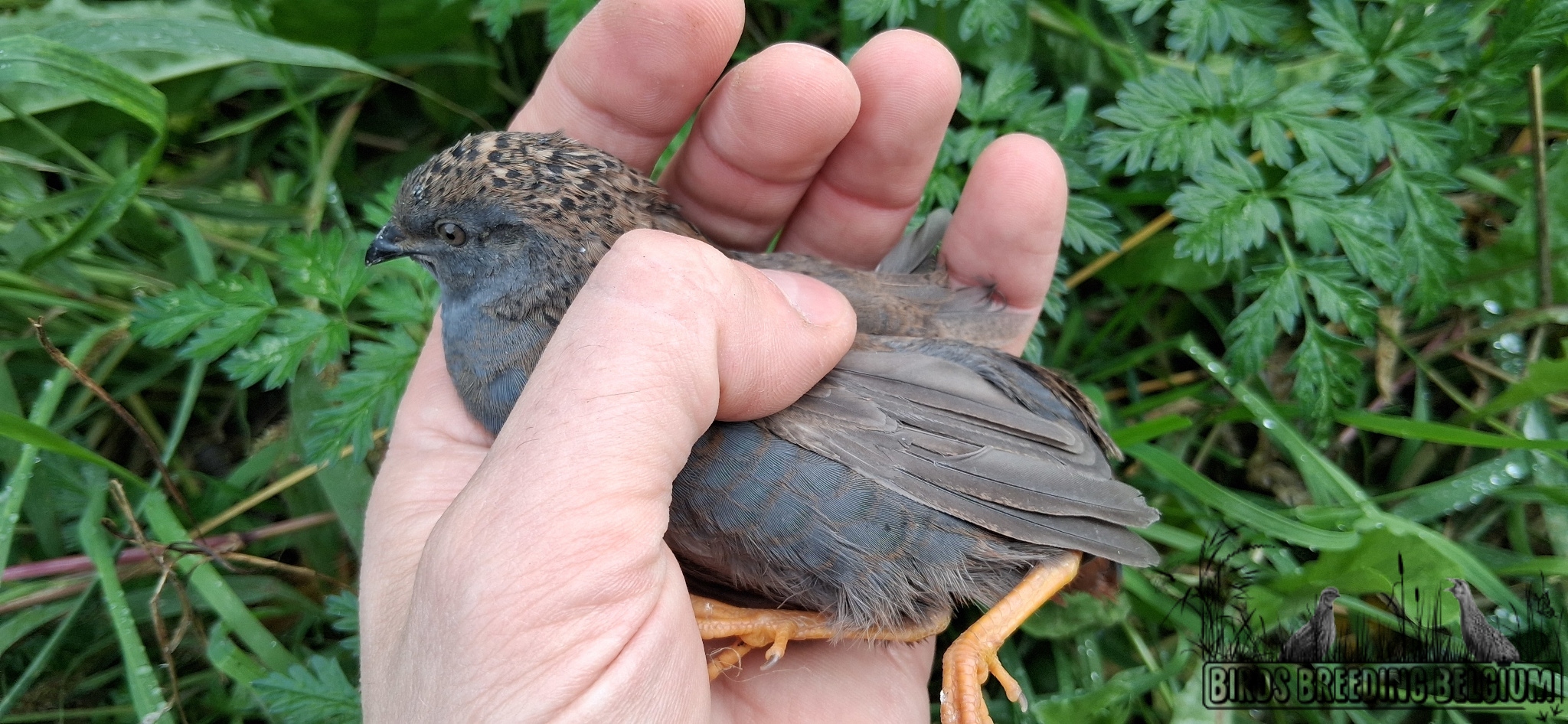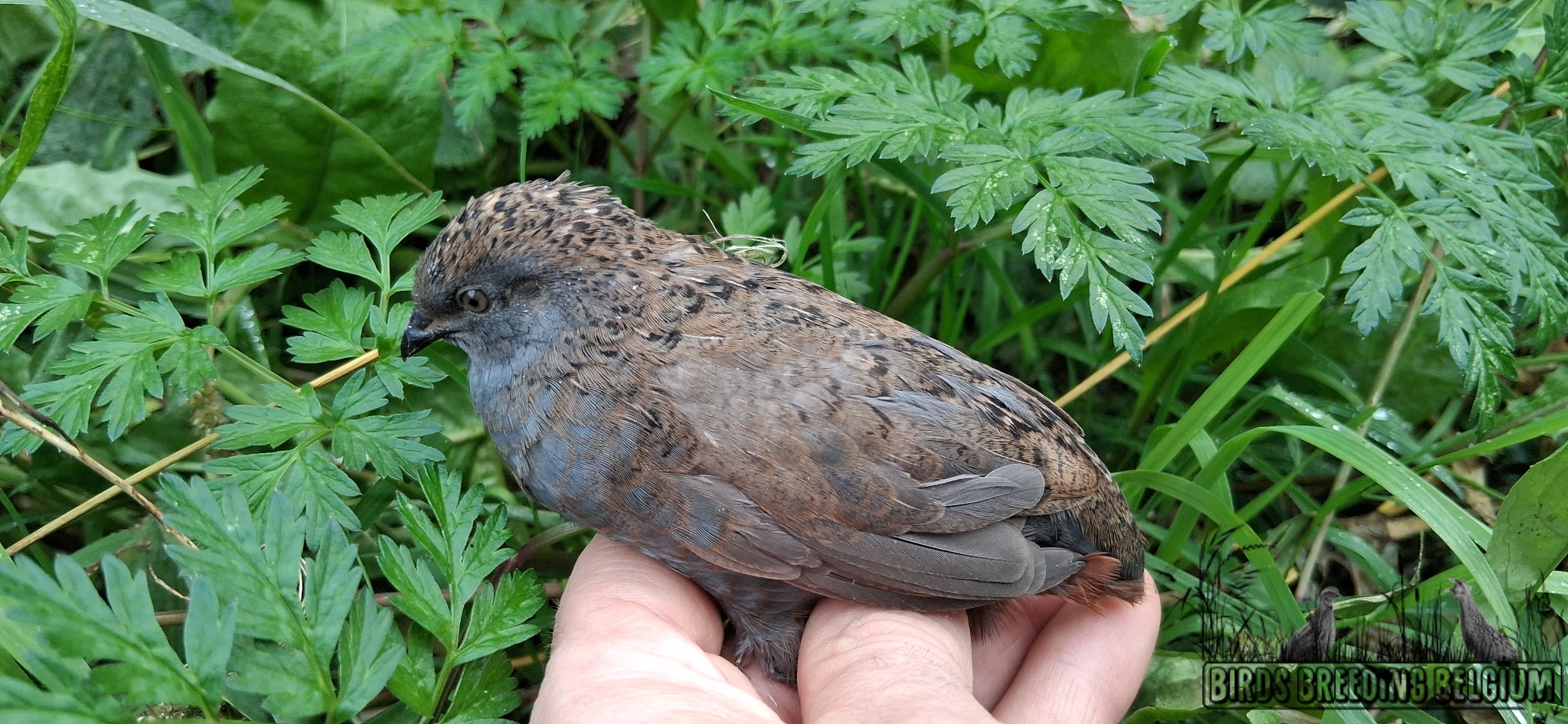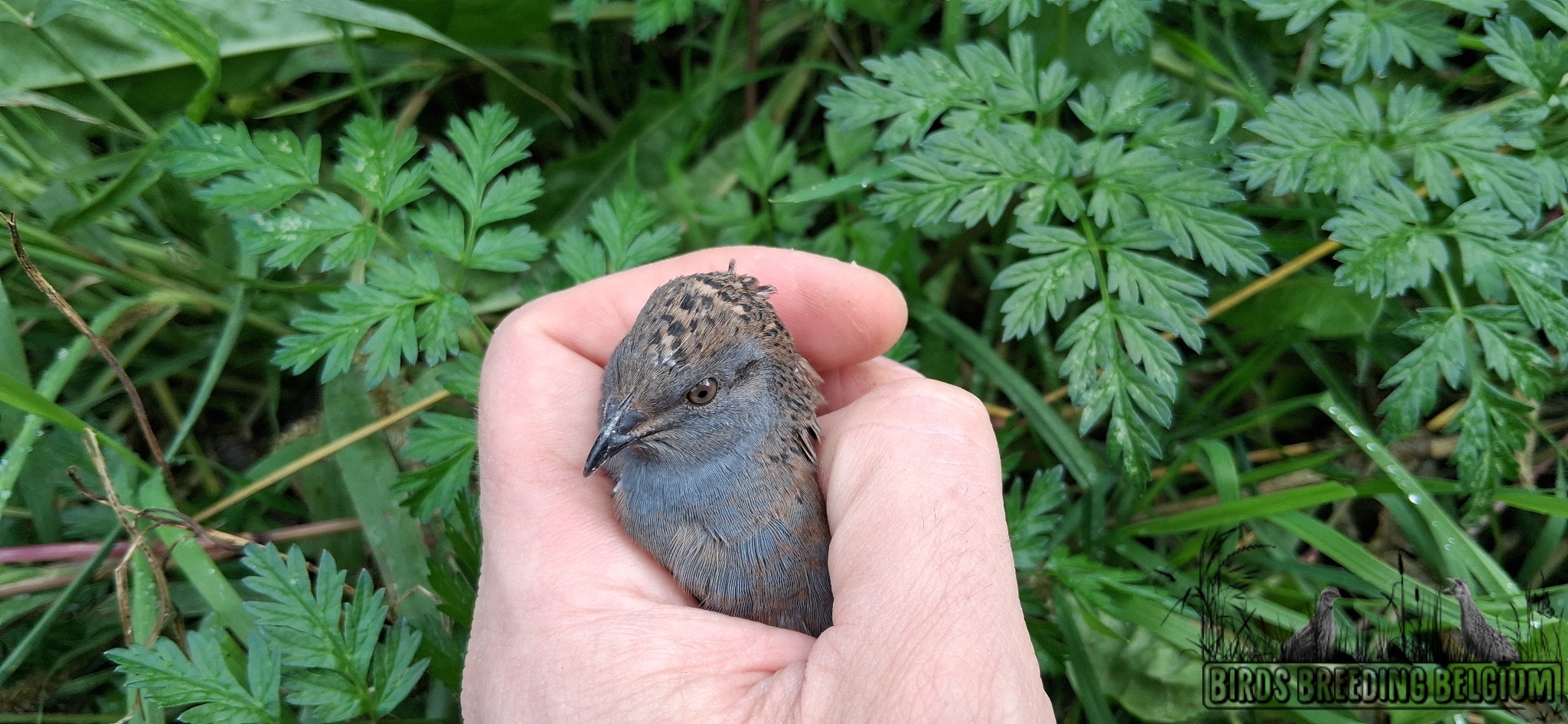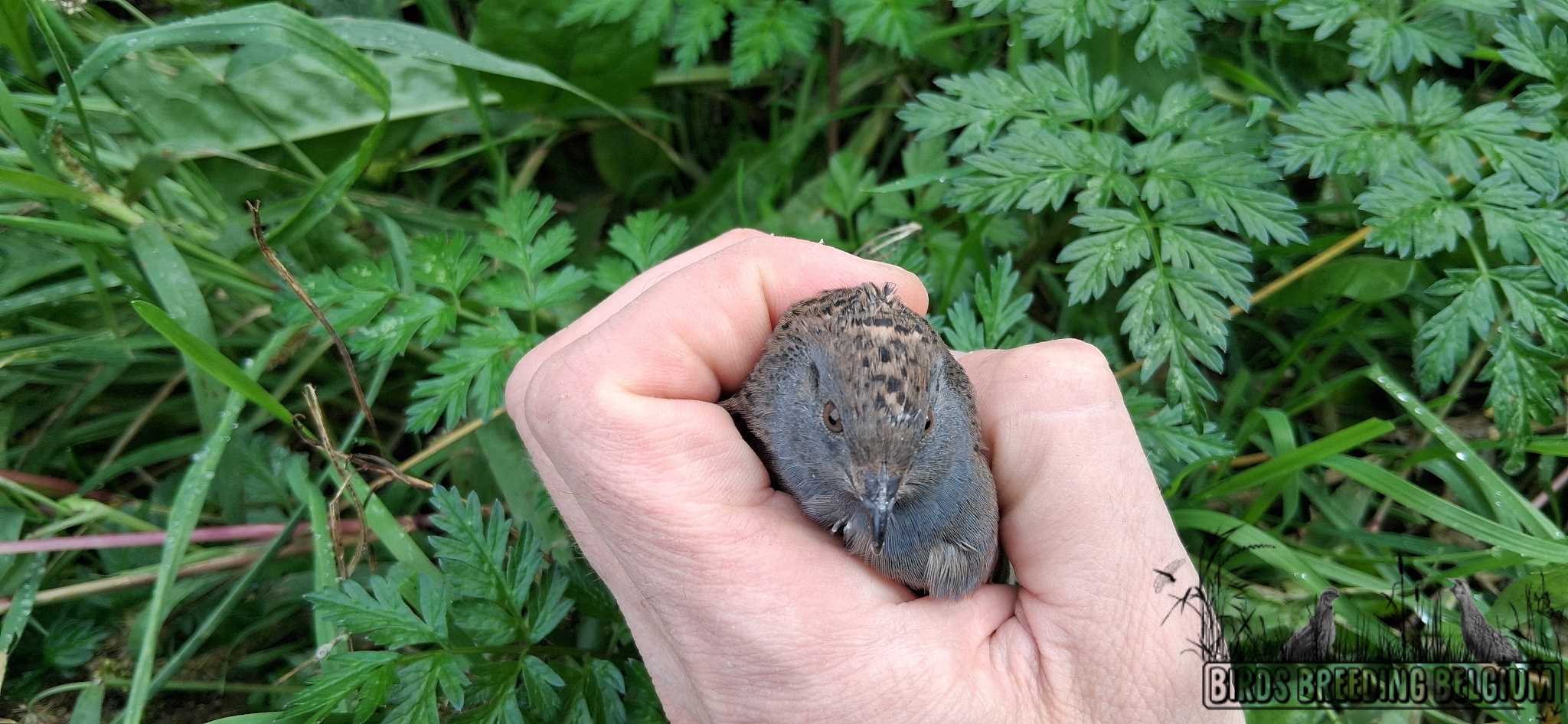
As has often been the case in the past, I once again attended the large bird market organized by the ornithological association “La Volière” in Hannut, located in the province of Liège, Belgium. The event took place on the morning of Sunday, October 4th, in the usual covered market hall.
There were very few gallinaceous birds for sale—which came as no surprise to me, especially since the authorities had detected an outbreak of highly pathogenic avian influenza in the neighboring Belgian province of Limburg just a few days earlier.
However, it was a pleasure to meet a very young enthusiast who was offering for sale a few Chinese painted quails.
Business had evidently gone well for him; all that remained in his two-compartment transport cage were three males of the “blue-face” mutation.
They were young birds—hatched this year—of good size, already showing adult coloration, and in excellent overall condition.
Since the birds were beautiful—and, most importantly, free of any spots or unwanted white feathers on their masks or wings—I decided to purchase two of them.
The breeder explained that those birds came from the same breeding pair:
- Father: blue-faced
- Mother: pearl (pearl)
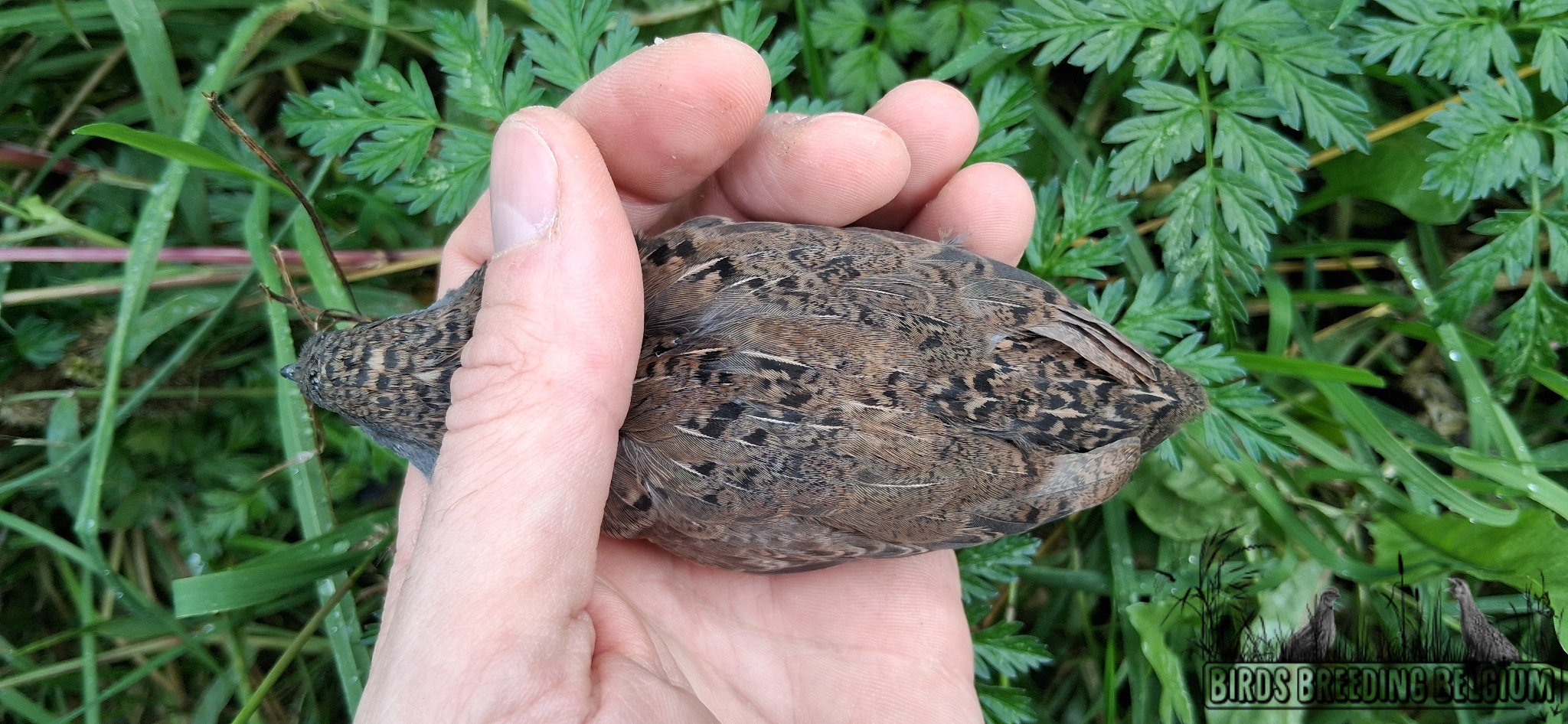
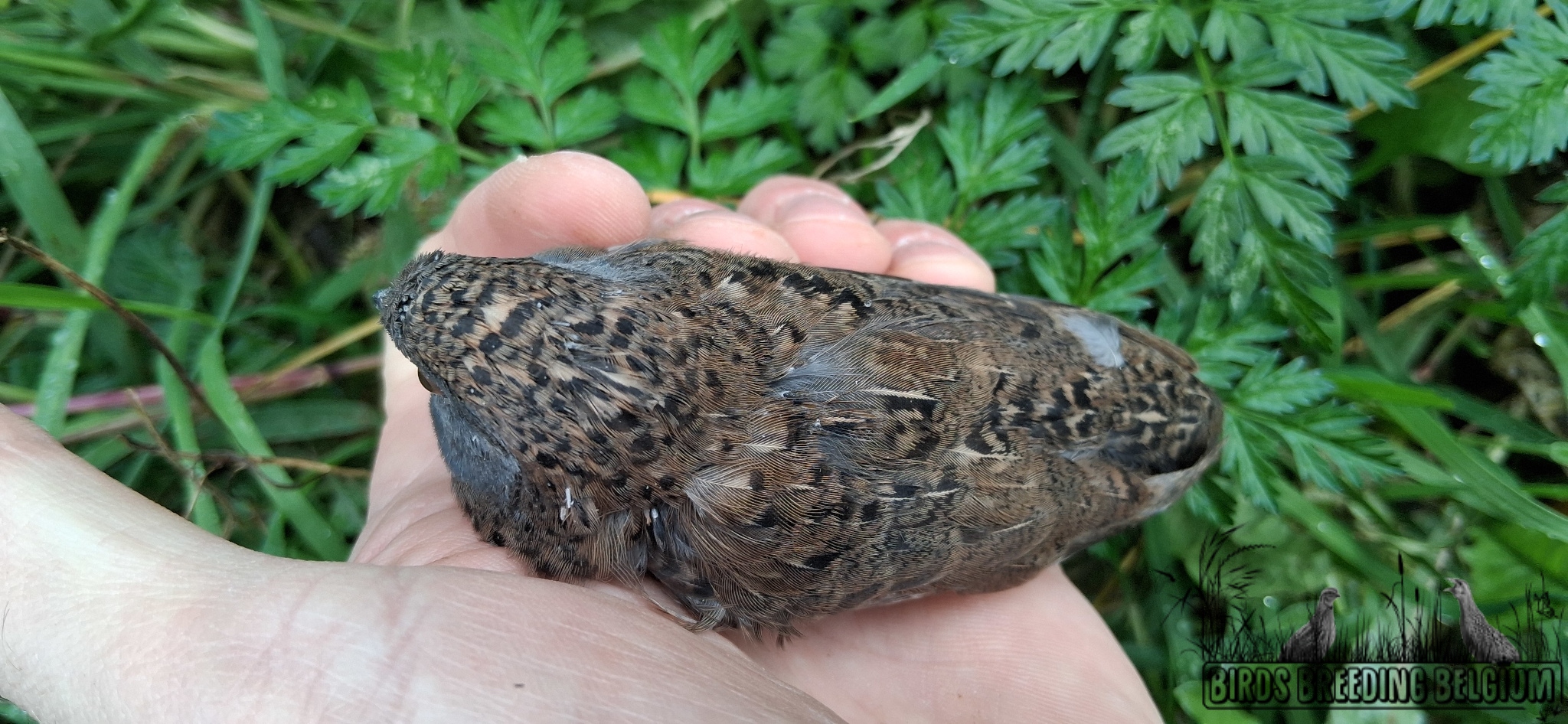
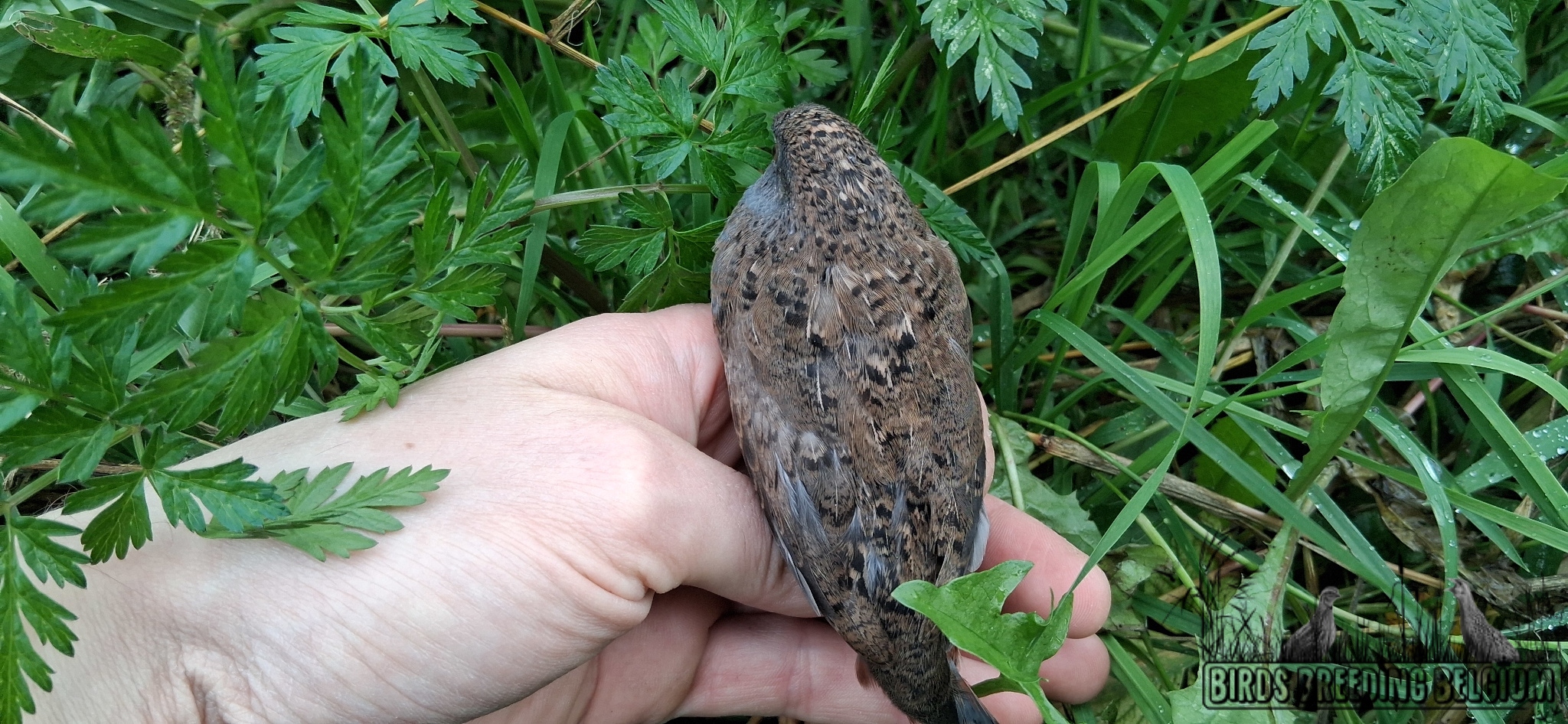
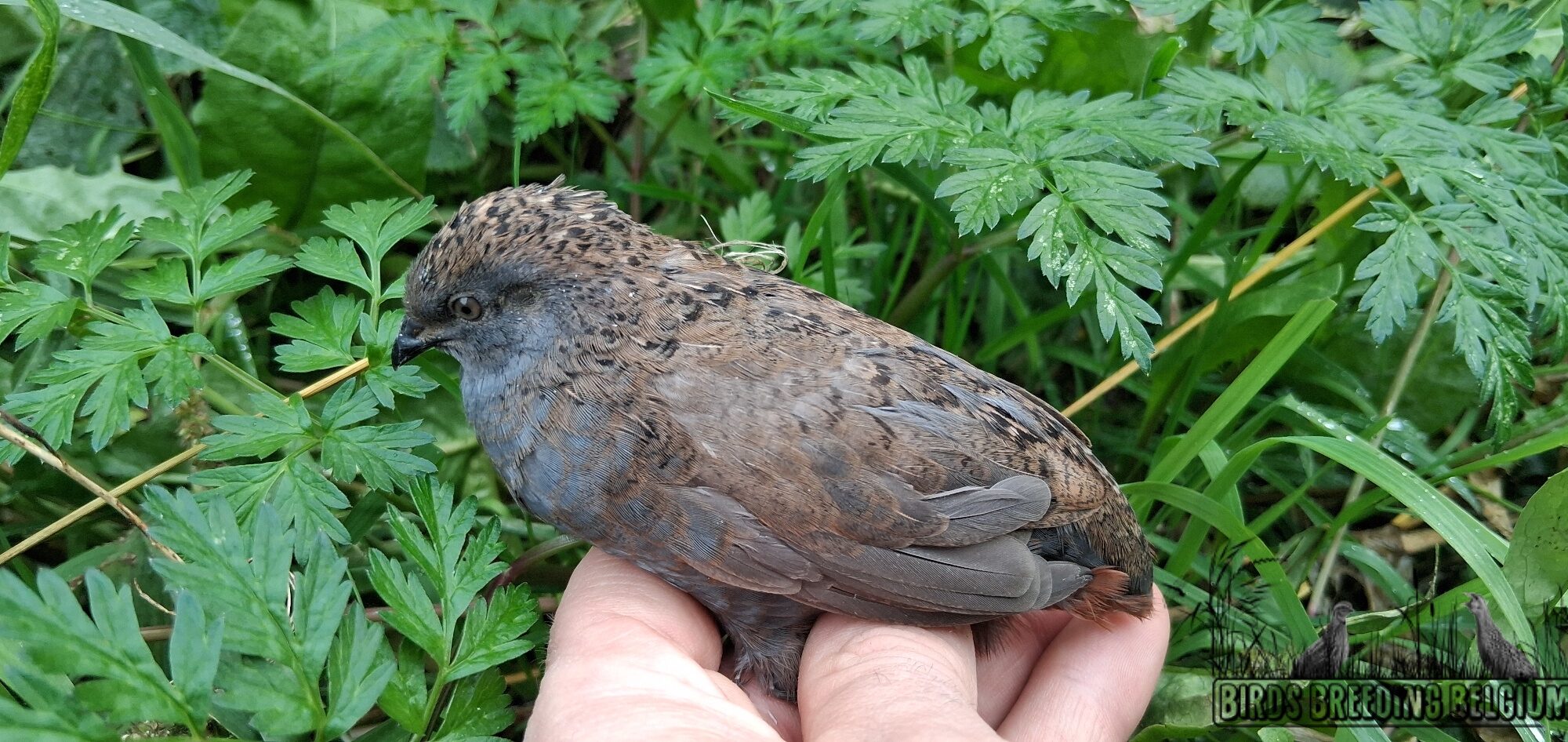
It is quite clear that one of the two males I acquired is a “pearl” specimen, which confirms the breeder’s account.
Taking advantage of a beautiful, sunny day, I seized the opportunity to snap a few photos of this bird, which I am sharing with you in this post.
It has long been known and accepted that the “blue-face” and “pearl” mutations—both of which follow a dominant inheritance pattern—can be combined within a single phenotype.
In fact, I have occasionally produced such birds myself.
That said, it brought to mind the still-unexplained mystery surrounding the so-called “Darth Vader” males—a variation of the red-breasted mutation characterized by an entirely black head, lacking any throat stripe.
It has long been believed—though never proven—that these males are “pearl”.
In his research, Spanish biologist Oriol Vidal, from the University of Girona, demonstrated that the blue-faced and red-breasted mutations both involve the same gene, MC1R; consequently, they cannot be combined with one another.
Since the blue-face mutation and the pearl mutation can be combined—as evidenced by the bird shown in the photos below—it follows that the pearl mutation is not linked to the same gene as the blue-face and red-breasted mutations.
Therefore, a combination of red-breasted and pearl is indeed possible.
To solve the mystery of these “Darth Vader” red-breasted males, I have decided to conduct an experimental cross trial using a female with a pure genotype.
If the “Darth Vader” phenotype is an expression of the pearl mutation, the offspring from this pairing should be:
- 50% wild-type pearl, carrying the red-breasted mutation.
- 50% wild-type, carrying the red-breasted mutation.
Note: Half of the offspring could potentially also carry other recessive mutations, depending on the father’s unknown genotype (possibilities include white, silver, brown, and fallow).
Single-factor blueface pearl male: